

Why You Should Buy a Birkin
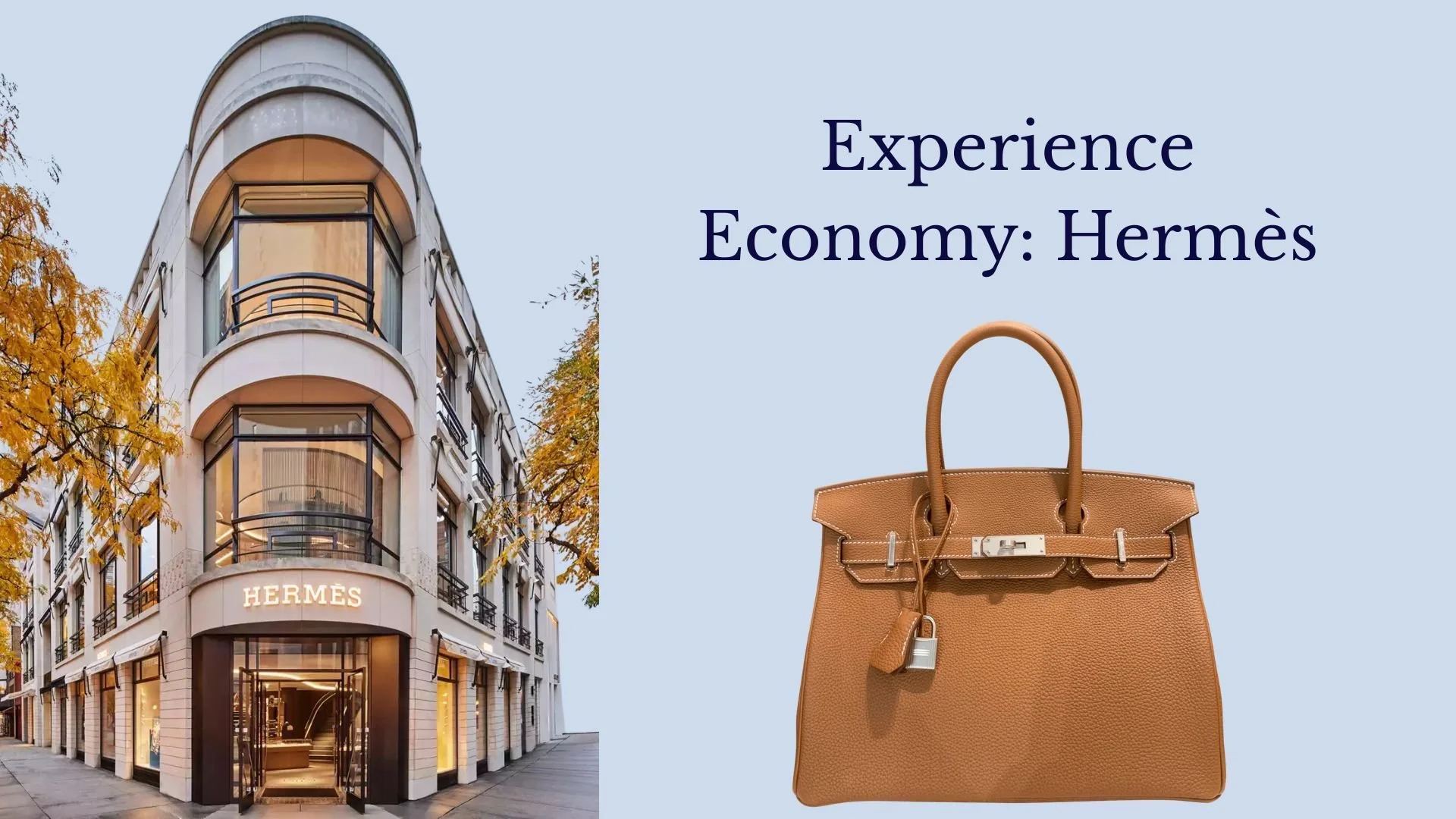
Since its design in 1984, the Hermès Birkin Bag has been a status symbol for the elite and wealthy, and an aspiration for those who can't yet afford its affluent lifestyle.
Hermès is a luxury fashion brand that was founded in 1837 by Thierry Hermès. Hermès understood his customers' need for a design that was simple, light, and modern, in line with the fashion at the time. Similarly, the Birkin Bag was created in 1984 on a flight when actress Jane Birkin was bothered that she couldn't find a bag suitable for motherhood. Jane sat next to Hermès executive chairman Jean-Louis Dumas, who began sketching a solution, leading to the bag's creation. But what is it about this Hermès bag that creates such an impact on its customers?
Hermès is known for the exclusivity and luxury design of its products. The average person typically can't just stop into the store, purchase a Birkin bag, and walk out. A secret society of people can purchase this bag, though its secret entrance fee isn't much of a secret nowadays. To buy the bag, you need an established relationship with a Hermès store and salesperson and have a significant purchase history. This adds to the brand's already exclusive design. It also lets the brand build an emotional connection with its customers.Beyond the bag's exclusivity, how does finally acquiring a bag of this status feel emotionally for its owners?
“Neuroscience tells us that the emotions associated with our judgments guide us in making decisions. Emotions and feelings are components of rationality in that they reveal what is important to us. For example, we can be emotionally drawn to good design, and then rationally decide whether the exceptional qualities of luxury design are worth the additional price versus the "good enough" qualities of a mass-market alternative.” While a copycat bag may be significantly cheaper, those who are choosing to spend at least $11,000 on a Birkin (not counting the already spent purchase history) may be buying from an emotional rather than a logical standpoint.
Emotional end-benefits impact the consumer’s concept of self and play an important role in motivation. A consumer purchase of luxury brands frequently is driven by perceptions about self-identity, ideal self, social comparison, and other "self" motivations. Especially in the case of the Birkin bag, after going through all the unspoken steps of building a relationship with the company and hitting a certain price point that makes a customer eligible to purchase the bag, a customer may feel an added level of status and achievement, adding to their emotional well-being and leading to a newfound confidence from the purchase.
Developing an emotional connection with your customers through branding and product design is another way to create a memorable, sustainable brand in your industry/field. Once someone feels an emotional response that gives them gratification, whether personal or societal, it creates a lasting connection between your brand and their experience with your product.
Sources:
“Birkin Bag.” The Official Hermes Online Store, www.hermes.com/us/en/content/106191-birkin/ Accessed 11 Sept. 2026.
Murray, Peter Noel. “The Emotions of Luxury.” Psychology Today, Sussex Publishers, 12 Oct. 2016, www.psychologytoday.com/us/blog/inside-the-consumer-mind/201610/the-emotions-luxury/ Accessed 11 Sept. 2026.
“Six Generations of Artisans.” The Official Hermes Online Store, www.hermes.com/us/en/content/235056-six-generations-of-artisans/. Accessed 11 Sept. 2026.
